Understanding Mini Split 18000 BTU Systems
In today's energy-conscious world, the demand for efficient heating and cooling solutions has led many homeowners to explore advanced systems such as the mini split 18000 btu. These systems provide customizable comfort in various spaces, making them a popular choice for both residential and commercial applications. Whether you're looking to heat a chilly room during winter or keep cool in the summer, understanding the features and functionalities of mini split systems is essential for making an informed investment.
What is a Mini Split 18000 BTU?
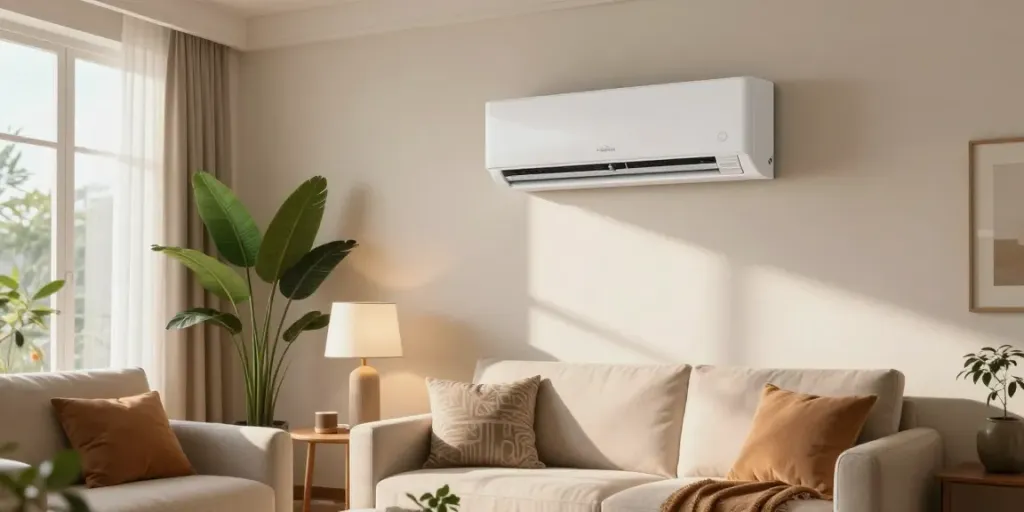
A mini split 18000 BTU system is a type of ductless air conditioning system that delivers up to 18,000 BTU (British Thermal Units) of cooling or heating power. It typically consists of one or more indoor units connected to an outdoor compressor unit. This setup allows for precise control over individual room temperatures without the complexities and costs associated with traditional ductwork. Ideal for spaces of up to 1,000 square feet, these systems offer versatile installation options, making them suitable for various environments, including homes, offices, and garages.
Key Features and Benefits of Mini Split Systems
- Ductless Design: Eliminates the need for extensive ductwork, reducing installation costs and potential energy loss.
- Energy Efficiency: Many models feature inverter technology, which adjusts the compressor speed to maintain the desired temperature without excessive energy consumption.
- Enhanced Comfort: Mini splits provide zoned heating and cooling, allowing users to tailor temperature settings for different rooms based on occupancy and usage.
- Quiet Operation: Designed to operate quietly, mini splits are ideal for bedrooms and other areas where noise levels need to be minimized.
The Advantages of Using Mini Split Systems
Energy Efficiency and Cost Savings
One of the most significant advantages of mini split systems is their energy efficiency. The Energy Efficiency Ratio (EER) of many 18000 BTU models often exceeds those of traditional HVAC systems. By utilizing inverter technology, these systems maintain a consistent temperature without frequently cycling on and off, which can save homeowners a substantial amount on their energy bills, particularly during peak usage months.
Improved Indoor Air Quality and Comfort
Mini split systems also contribute to improved indoor air quality. The absence of ducts means there’s less dust and allergens circulating throughout the home, helping to create a healthier living environment. Additionally, many models come equipped with advanced filtration systems that further enhance air quality by reducing pollutants, making them an excellent option for those with allergies or respiratory issues.
Flexible Installation Options
Another compelling benefit of mini split systems is their flexible installation options. Whether it's a wall-mounted system, ceiling cassette, or floor-mounted unit, there are various configurations available to suit different spaces and aesthetic preferences. The ability to install the indoor unit in a variety of locations allows homeowners to avoid disrupting existing decor or furniture layouts.
Challenges in Mini Split 18000 BTU Installation
Common Issues Faced During Installation
While mini split systems present numerous advantages, they also come with specific challenges during installation. Ensuring proper sizing and placement of the indoor and outdoor units is crucial for optimal performance. Improper installation can lead to inefficiencies, higher energy costs, and even system failures. It’s recommended that homeowners work with trained professionals familiar with local regulations and best practices for mini split installation.
Maintenance Tips for Longevity
To ensure the longevity of a mini split system, regular maintenance is essential. Homeowners should clean or replace air filters every 1-3 months, depending on usage and local air quality conditions. Additionally, scheduling professional maintenance annually to check refrigerant levels, clean coils, and verify overall system performance can help prevent unexpected breakdowns and costly repairs.
Addressing Noise Concerns with Mini Splits
While mini split systems generally operate quietly, some homeowners may experience noise from the indoor or outdoor units. It's vital to choose units renowned for their low decibel ratings and to ensure proper placement to minimize sound transmission through walls and ceilings. If noise remains an issue, sound insulation materials may be employed during installation to dampen any sounds further.
The Future Trends in Air Conditioning Technology
Innovative Features Expected by 2026
As the demand for energy-efficient solutions continues to rise, manufacturers are innovating mini split systems with features that improve both performance and user experience. Expect to see advancements such as enhanced smart thermostats that utilize machine learning for predictive cooling and heating, which adapt to the homeowner’s preferences over time. Additionally, better integration with renewable energy sources, like solar panels, is on the horizon, making systems even more sustainable.
Smart Home Integration and Automation
The future of mini split technology also lies in smart home integration. Many new models are being designed with Wi-Fi capabilities, enabling users to control their systems through smartphone apps or voice-activated assistants. This functionality provides convenience and ensures that homes are always at the ideal temperature, regardless of when homeowners are scheduled to arrive.
Environmental Considerations and Sustainability
Looking ahead, manufacturers are pushing towards environmentally friendly refrigerants that reduce global warming potential. This shift is driven by stricter regulations and consumer demand for sustainable products. Additionally, systems that enhance energy efficiency will become even more critical as environmental awareness increases, leading to reduced carbon footprints for homeowners.
Expert Recommendations for 2026 and Beyond
Top Mini Split Brands to Consider
When investing in a mini split system, selecting reputable brands can significantly impact performance and longevity. Some of the top brands in the market include Mitsubishi, Daikin, and Fujitsu, known for their reliability and innovative technology. Researching customer reviews and seeking recommendations from HVAC professionals can further guide homeowners in making informed choices.
Installation Best Practices from Professionals
Professional installation is crucial for maximizing the benefits of a mini split system. Experts recommend conducting thorough assessments of the space to determine the optimal location for both indoor and outdoor units. Moreover, ensuring the correct line set length and adequate insulation can prevent energy losses and enhance efficiency.
Cost-Effective Solutions for Homeowners
Homeowners should also explore financing options or incentive programs that may be available for energy-efficient upgrades. Many utility companies offer rebates for installing high-efficiency mini split systems, making them more financially accessible. Additionally, considering the long-term savings on energy bills will help justify the investment in these systems.
How many sq ft will an 18,000 BTU mini split cool?
An 18,000 BTU mini split system can effectively cool areas of approximately 800 to 1,000 square feet, depending on factors such as insulation quality, ceiling height, and sun exposure. It's essential to evaluate these variables to ensure adequate cooling performance.
Should I leave my mini split on all the time in winter?
Keeping your mini split system on during winter can be beneficial, especially if it has a heat pump feature. This means it can maintain a constant, comfortable temperature without the need for continuous cycling on and off, which can be more energy-efficient in moderate climates.
Who makes the best 18,000 BTU mini split?
The best choice for a mini split system often depends on individual needs and preferences. However, brands like Mitsubishi, Daikin, and LG consistently receive high ratings for reliability, performance, and customer service.
How much does it cost to install an 18,000 BTU mini split AC system?
The installation costs for an 18,000 BTU mini split system can vary widely based on factors such as labor rates and the complexity of the installation. On average, homeowners can expect to pay between $3,000 to $5,000, including the unit and installation fees.
What maintenance is needed for a mini split system?
Maintenance for a mini split system primarily involves regular cleaning of filters, annual professional inspections, and ensuring that the outdoor unit is free from obstructions. Following these guidelines can prevent performance issues and extend the lifespan of the system.