Understanding SHASHEL® Microwave Technology
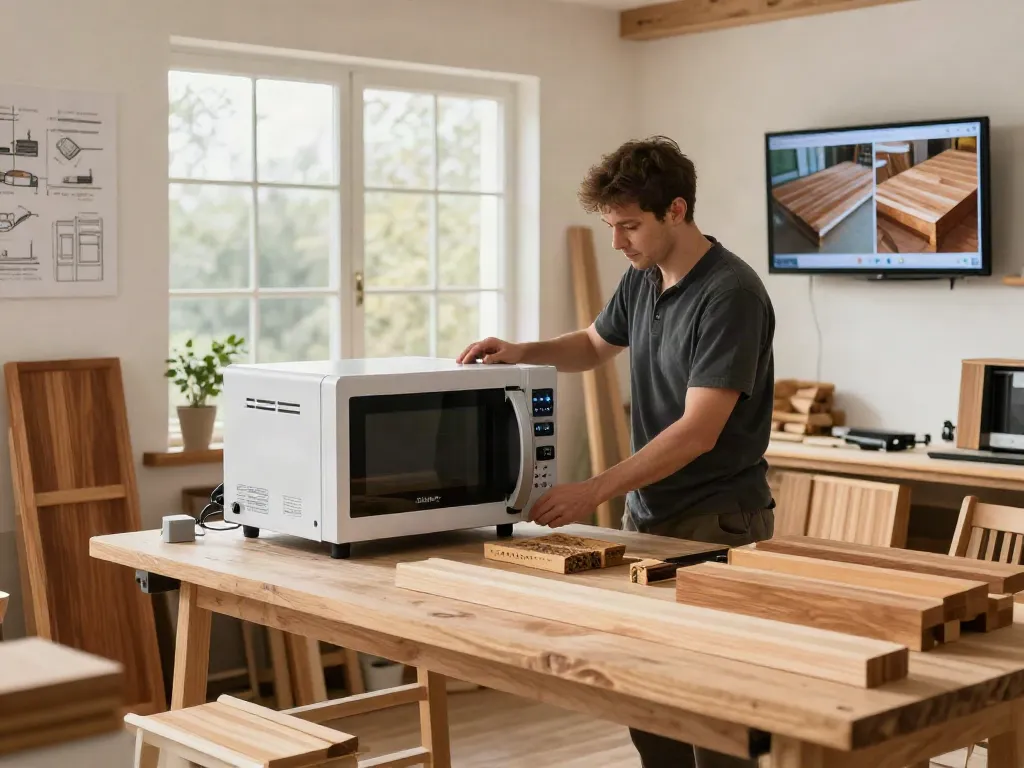
The SHASHEL® technology represents a groundbreaking approach to pest control, particularly when it comes to the eradication of wood-boring insects like woodworms. Utilizing microwave energy, this innovative equipment delivers an effective solution to eliminate infestations rapidly and without the need for harmful chemicals. When exploring options, SHASHEL® provides comprehensive insights into how microwave technology can safeguard your wooden structures, ensuring a pest-free environment.
What is SHASHEL® and How Does it Work?
SHASHEL® is a specialized microwave treatment designed for the thorough elimination of wood-boring insects. Unlike traditional methods that often rely on chemical pesticides, SHASHEL® uses microwave energy to heat wood to a temperature that is lethal to pests. The microwaves penetrate deeply into the wood, affecting not only adult beetles but also their larvae and eggs, ensuring a complete kill. This technique is particularly effective for various woodworm species and has gained recognition for its efficiency and safety.
Benefits of Using SHASHEL® for Woodworm Elimination
The benefits of SHASHEL® technology extend beyond just effective pest control. Here are some key advantages:
- Speed: The treatment can eliminate infestations in just minutes, saving time compared to traditional methods.
- Non-toxic: As a chemical-free solution, SHASHEL® is safe for use in homes, offices, and other environments where people and pets reside.
- Deep Penetration: Microwaves can reach areas that are typically inaccessible, ensuring comprehensive treatment.
- Environmentally Friendly: By avoiding chemicals, SHASHEL® contributes to eco-friendly pest management practices.
- Versatility: SHASHEL® can be used on various materials, including wood and certain types of metal, broadening its applicability in diverse settings.
Comparison with Traditional Wood Treatment Methods
Traditional methods of wood treatment often involve the use of chemicals, which can pose health risks and environmental concerns. In contrast, SHASHEL® provides an efficient, safe alternative. Here’s how it stacks up:
- Time Efficiency: While chemical treatments may take days or even weeks to take full effect, SHASHEL® works in minutes.
- Safety: The risk of chemical exposure is eliminated with SHASHEL®, making it suitable for sensitive environments.
- Effectiveness: Many traditional treatments may leave behind larvae and eggs, whereas SHASHEL® ensures total eradication.
Preparing for Woodworm Treatment with SHASHEL®
Before embarking on the woodworm treatment process, it’s essential to properly prepare. Effective preparation helps ensure a smooth operation and maximizes treatment success. Here are crucial steps:
Assessing Infestation: Identifying Woodworm Types
The first step in the preparation process is to identify the type of woodworm infesting your premises. Different species may require varying treatment approaches. Common types include:
- Common Furniture Beetle: Known for damaging furniture and structural timbers.
- Timber Worm: Often found in softwoods and known for creating extensive damage.
- House Longhorn Beetle: Causes severe structural damage over time.
Identifying the species can help tailor your treatment strategy effectively and efficiently.
Proper Setup and Safety Measures
Setting up the SHASHEL® equipment correctly is crucial. Ensure that you follow all manufacturer’s guidelines for safe operation. This includes:
- Ensuring adequate ventilation in the treatment area
- Wearing recommended personal protective equipment (PPE)
- Keeping the area clear of unnecessary personnel during operation
Pre-Treatment Checklist for SHASHEL® Equipment
A pre-treatment checklist is essential to ensure that all necessary preparations have been completed before beginning the treatment:
- Inspect the SHASHEL® equipment for any signs of wear or damage.
- Confirm that the workspace is clean and free of debris.
- Gather all necessary tools and PPE.
- Review the operational guidelines and safety protocols.
Implementing the SHASHEL® Treatment Process
Once you are adequately prepared, it's time to implement the SHASHEL® treatment process. Follow these detailed steps to ensure successful pest elimination:
Step-by-Step Guide to Using SHASHEL®
Using SHASHEL® effectively involves a systematic approach:
- Set up the SHASHEL® equipment according to the manufacturer’s instructions.
- Place the infested wood within the treatment chamber.
- Adjust the settings based on the type of wood and level of infestation.
- Start the treatment and monitor the equipment to ensure proper operation.
- Once completed, allow the wood to cool before handling.
Monitoring Treatment Effectiveness During Process
During the treatment, it’s crucial to monitor performance indicators, such as:
- Temperature readings to ensure effective penetration
- Duration of treatment based on wood thickness
- Consistent performance of the SHASHEL® equipment
Regular checks can help you identify any issues early on, allowing for prompt adjustments.
Common Mistakes to Avoid with SHASHEL®
Even with advanced technology, there are pitfalls to be aware of:
- Neglecting to assess the infestation type before treatment
- Improper setup that could lead to equipment malfunction
- Failure to follow safety protocols
- Inadequate post-treatment evaluation
Post-Treatment Care for Treated Wood
After successfully treating the wood, proper post-treatment care is essential to maintain the integrity of the wood and prevent reinfestation:
Evaluating Treatment Success with SHASHEL®
To evaluate the success of your treatment, conduct a thorough inspection:
- Check for any signs of remaining infestation, such as boreholes or frass.
- Assess the wood for any structural damage that may have occurred prior to treatment.
- Document findings to inform future pest management strategies.
Best Practices for Maintaining Treated Wood
Maintaining the health of treated wood is crucial for its longevity:
- Store wood in a dry environment to reduce moisture, which attracts pests.
- Regularly inspect wooden structures for signs of new infestations.
- Apply protective coatings to enhance durability.
Long-Term Strategies for Preventing Reinfestation
Preventing reinfestation is a proactive approach that can save time and resources. Consider the following long-term strategies:
- Implementing regular inspections as part of a property maintenance plan.
- Using preventive treatments in high-risk areas.
- Educating occupants about the signs of wood-boring insects.
The Future of Wood Treatment with SHASHEL®
As the industry evolves, the future of wood treatment looks promising. SHASHEL® is at the forefront of innovation, setting trends that align with modern pest management requirements:
Emerging Trends in Eco-Friendly Wood Treatments
The demand for eco-friendly solutions is rising, pushing companies to develop safer pest management products. SHASHEL® embodies this shift, offering non-toxic methods that meet regulatory standards and consumer expectations.
Technological Advancements in SHASHEL® Equipment
As technology advances, so does the SHASHEL® equipment. Emerging features may include enhanced monitoring systems and user-friendly interfaces, making it even easier to conduct treatments effectively.
Predictions for Wood Treatment in 2026 and Beyond
Looking ahead, we can expect significant developments in pest control technologies. SHASHEL® is poised to lead in creating innovative solutions that blend efficiency with environmental responsibility. As awareness of sustainable practices grows, SHASHEL® will likely continue to evolve to meet these needs, transforming the landscape of wood treatment.