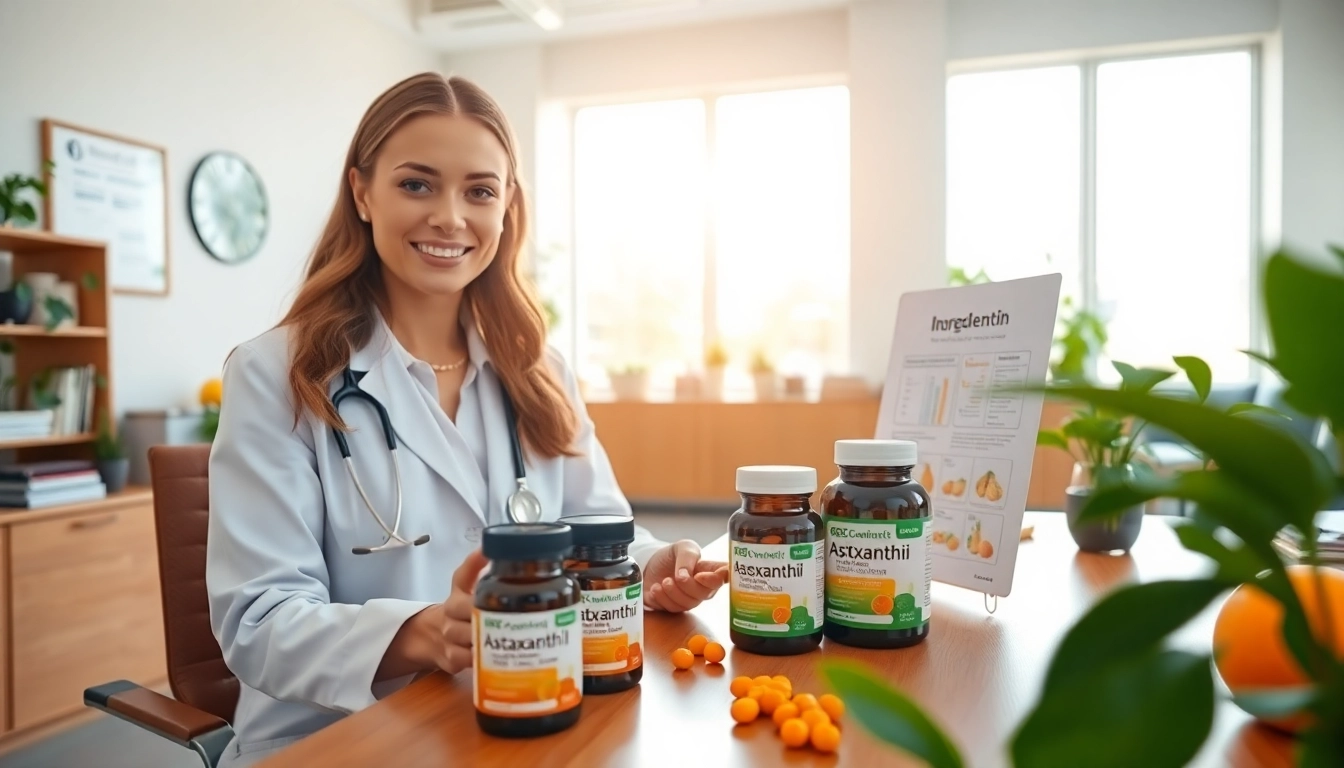
Introduction to Long Term Astaxanthin Dosage
Astaxanthin is a powerful carotenoid that has garnered considerable attention due to its potential health benefits. As a naturally occurring compound found in certain algae, seafood, and in some plants, astaxanthin is widely recognized for its antioxidant properties. Many people are now exploring the benefits of astaxanthin and how to incorporate it into their daily wellness routine. Understanding long term astaxanthin dosage is essential for maximizing its benefits while minimizing any potential risks. For those interested, information on long term astaxanthin dosage serves as a useful guide for healthy consumption.
What is Astaxanthin?
Astaxanthin is a vivid red pigment belonging to the carotenoid family, primarily known for its role in coloring marine organisms. It can be found in microalgae, which are consumed by shrimp, salmon, and other seafood, giving them their distinctive hues. Beyond its aesthetic appeal, astaxanthin is noted for its nutritional benefits, contributing to various health improvements ranging from enhanced immune function to improved skin health.
The Importance of Dosage
The effectiveness of astaxanthin hinges significantly on the dosage. A precise and appropriate dosage can amplify its health benefits, while improper intake can lead to diminishing returns or adverse effects. The aim is to find a balance that ensures optimal absorption and utilization within the body.
How Astaxanthin Works in the Body
Once ingested, astaxanthin is absorbed in the intestines and transported into the bloodstream, where it enhances cellular health. It combats oxidative stress by neutralizing free radicals, which can lead to chronic diseases. Thus, astaxanthin plays a crucial role in preventive health, potentially lowering the risks of various inflammatory and degenerative diseases.
Recommended Long Term Astaxanthin Dosage
General Guidelines for Daily Intake
While the recommended dosage of astaxanthin can vary based on individual needs and health status, many studies suggest an optimal range between 4 to 12 milligrams per day for most adults. This range can support various health benefits including improved skin elasticity, enhanced endurance in athletes, and strengthened immune function.
Factors Influencing Dosage
Several factors can affect the appropriate dosage of astaxanthin, including age, health status, and specific health goals. For example, individuals engaged in intense physical activities may require higher doses to counteract oxidative stress resulting from their workouts. In contrast, older adults may benefit from consistent lower doses to support overall health and longevity.
Consulting with Healthcare Professionals
Before beginning any supplementation regimen, particularly for long term astaxanthin dosage, it is advisable to consult healthcare professionals. They can provide tailored advice by considering one's overall health history, existing conditions, and specific dietary needs. Personalization ensures a safe and effective approach to supplementation.
Potential Benefits of Long Term Astaxanthin Use
Antioxidant Properties
One of the most compelling reasons to consider long term astaxanthin dosage is its potent antioxidant capacity. Astaxanthin is renowned for being significantly more effective than other antioxidants, such as vitamin C and vitamin E. By neutralizing free radicals, it helps protect cells from oxidative damage, leading to a lower risk of chronic diseases like heart disease and cancer.
Effects on Skin Health
Research indicates that astaxanthin can provide remarkable benefits to skin health. Studies show that regular consumption can improve skin elasticity, hydration, and reduce the appearance of fine lines and wrinkles. Additionally, its anti-inflammatory properties help mitigate skin conditions like acne and psoriasis, promoting a healthier complexion over time.
Impact on Athletic Performance
Athletes and fitness enthusiasts are increasingly turning to astaxanthin for its potential to enhance endurance and recovery. By combating oxidative stress, astaxanthin may improve muscle endurance, allowing for longer workout sessions and quicker recovery times. This makes it a valuable supplement for those involved in rigorous physical training.
Risks and Considerations
Possible Side Effects
While generally considered safe, high doses of astaxanthin can lead to mild side effects such as digestive upset or a change in skin coloration. It is essential to adhere to recommended dosages to minimize risks and maximize benefits. Monitoring one’s body response to astaxanthin can also alert individuals to taper intake if adverse effects occur.
Interactions with Other Supplements
Astaxanthin may interact with other dietary supplements or medications, particularly those that affect blood clotting or blood pressure. For individuals taking these medications, consulting a healthcare provider before starting astaxanthin supplementation is crucial to avoid any potential negative interactions.
Long Term Safety Studies
Current research on the long-term safety of astaxanthin supplementation is promising, with numerous studies indicating that it is well tolerated even at higher doses. However, ongoing research continues to evaluate its long-term effects, encouraging individuals to stay informed and consult with healthcare professionals regarding their use.
FAQs About Long Term Astaxanthin Dosage
How much astaxanthin should I take daily?
The general recommendation for daily astaxanthin intake ranges from 4 to 12 milligrams for most adults, but individual needs may vary.
Can too much astaxanthin be harmful?
Although astaxanthin is generally safe, excessive consumption may lead to mild side effects like digestive issues or skin discoloration. It is best to stick to recommended dosages.
Does astaxanthin dosage vary by age?
Yes, age can influence astaxanthin dosage. Older adults may benefit from lower doses for overall health enhancement, while active individuals may need higher amounts.
Is there a best time to take astaxanthin?
For optimal absorption, it is often recommended to take astaxanthin with a meal containing healthy fats, as it is fat-soluble.
Are there any food sources of astaxanthin?
Astaxanthin is found in foods such as salmon, shrimp, and microalgae, making these seafood options great dietary sources of this carotenoid.