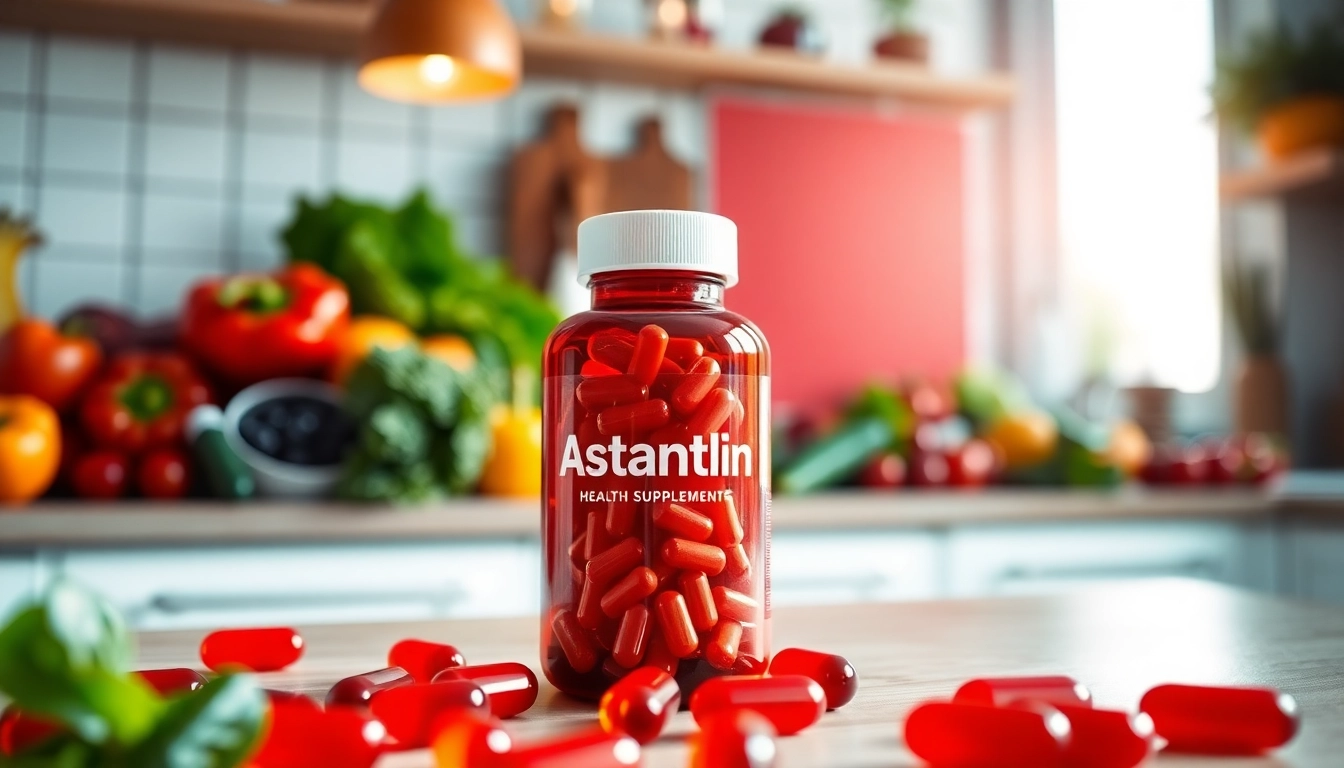
Introduction to Long Term Astaxanthin Dosage
Astaxanthin, a carotenoid pigment found in algae, salmon, and various seafood, has gained immense popularity for its potential health benefits, including its antioxidant properties and anti-inflammatory effects. As more individuals recognize the value of astaxanthin in their wellness routines, understanding the appropriate long term astaxanthin dosage becomes crucial for maximizing these benefits while minimizing any risks associated with excessive intake.
What is Astaxanthin?
Astaxanthin is a red-orange pigment that belongs to a class of compounds known as carotenoids. It is primarily synthesized by microalgae, which are then consumed by marine creatures, leading to the vibrant colors found in salmon, shrimp, and flamingos. Unlike many antioxidants, astaxanthin crosses the blood-brain barrier and the blood-retinal barrier, offering protective benefits to both brain and eye health. This unique ability alongside its potent antioxidant capacity enables it to quench free radicals more effectively than other antioxidants, making it a subject of scientific interest and public fascination.
Benefits of Long Term Astaxanthin Dosage
The potential health benefits associated with astaxanthin have been extensively documented in various studies. Here are some of the notable advantages of maintaining a long term astaxanthin dosage:
- Antioxidant Properties: Astaxanthin is known for its powerful antioxidant abilities, helping to reduce oxidative stress in the body, which is linked to various chronic diseases.
- Anti-Inflammatory Effects: Regular intake of astaxanthin has been shown to reduce inflammation, which may benefit conditions like arthritis and other inflammation-related illnesses.
- Skin Health: Astaxanthin may improve skin elasticity, hydration, and appearance, making it a popular ingredient in skincare products.
- Eye Health: Its ability to cross the blood-retinal barrier helps protect the eyes from UV damage and age-related macular degeneration.
- Cardiovascular Health: Astaxanthin can support heart health by helping to manage cholesterol levels and promoting healthy blood circulation.
Recommended Daily Intake Guidelines
While there is no official recommended daily allowance for astaxanthin, studies suggest that a dosage of 4 to 12 mg per day may be effective for most individuals. However, it's important to tailor dosages based on personal health goals, existing health conditions, and overall diet. For those looking to achieve specific benefits, consulting a healthcare provider is advisable to find the optimal dosage tailored to individual needs.
Choosing the Right Astaxanthin Supplement
With the increasing popularity of astaxanthin, numerous supplement options are available on the market. Selecting the proper astaxanthin supplement involves understanding the types available and their specific attributes.
Types of Astaxanthin Products
There are primarily three forms of astaxanthin supplements: natural, synthetic, and fermented sources:
- Natural Astaxanthin: Derived from microalgae like Haematococcus pluvialis, natural astaxanthin is widely regarded as the most bioavailable and beneficial form.
- Synthetic Astaxanthin: Created through chemical processes, this form may not provide the same health benefits as natural astaxanthin and is typically used in animal feed.
- Fermented Astaxanthin: Produced through fermentation of microorganisms, this option is gaining popularity due to its sustainability and high potency.
Dosage Forms and Concentration
Astaxanthin supplements are available in various dosage forms, including soft gels, capsules, powders, and liquid formulations. When choosing a product, consider:
- Concentration: Ensure the concentration of astaxanthin is adequate per serving—typical dosages range from 4 mg to 12 mg.
- Additional Ingredients: Some supplements may combine astaxanthin with other synergistic ingredients like omega-3 fatty acids or vitamin E to enhance effects.
- Manufacturing Standards: Look for products that adhere to good manufacturing practices (GMP) and have undergone third-party testing for purity and potency.
How to Read Supplement Labels
Understanding supplement labels is essential to ensure you are selecting a quality astaxanthin product. Be sure to check:
- Ingredient List: Look for natural sources of astaxanthin, such as Haematococcus pluvialis, with no unnecessary fillers or additives.
- Active Ingredients: Verify the concentration of astaxanthin per serving, ensuring it aligns with your desired dosage.
- Suggested Use: Read the manufacturer’s recommendations for dosage and any potential interactions with other medications.
Factors Affecting Long Term Astaxanthin Dosage
While general guidelines for astaxanthin dosage exist, individual factors can significantly influence the appropriate intake for each person. Here are some factors to consider:
Individual Health Considerations
Before starting any supplement, including astaxanthin, it is crucial to evaluate your unique health situation. Individuals with specific health conditions must consider how they may impact absorption or interactions. For instance, those with liver or kidney issues should consult their healthcare provider to ensure astaxanthin supplementation is safe and effective.
Age and Lifestyle Impacts
Your age and lifestyle may play significant roles in determining the right dosage for you. Younger individuals typically require lower dosages due to enhanced metabolic rates, while older adults may benefit from higher dosages to support age-related health concerns. Additionally, active individuals or those under significant physical stress may also require increased amounts due to higher oxidative stress and inflammation levels.
Possible Interactions with Other Medications
Astaxanthin is generally considered safe, but it can interact with certain medications, particularly blood thinners and immunosuppressive drugs. Therefore, if you are on medication, it’s essential to discuss astaxanthin use with a healthcare provider to avoid potential adverse effects or altered drug effectiveness.
Monitoring Your Intake
Once you start taking astaxanthin, it’s important to monitor your intake and overall health to ensure you achieve the desired benefits.
Signs of Adequate Astaxanthin Levels
Determining the effectiveness of your astaxanthin dosage can be challenging, but certain signs may indicate adequate levels. These may include improved skin appearance, reduced fatigue, enhanced recovery from exercise, better joint mobility, and improved vision under bright light. Keeping a journal to track your physical changes can help you identify these signs.
Adjusting Dosage for Maximum Benefits
Based on your observations and response to astaxanthin, adjustments may be necessary. If you’re not experiencing desired effects, consider slightly increasing the dosage within safe limits. Always consult with a healthcare professional before making changes to ensure they're justified and safe.
When to Consult a Healthcare Professional
If you experience any adverse effects, or if you have ongoing health issues or concerns about astaxanthin interactions with prescribed medications, reach out to a healthcare professional for tailored advice. Regular check-ins can help maintain your health while maximizing the benefits of astaxanthin supplementation.
Frequently Asked Questions about Long Term Astaxanthin Dosage
What is the best time to take astaxanthin?
Taking astaxanthin with a meal enhances absorption due to its fat-soluble nature. Consider intake during breakfast or lunch for optimal benefits.
Can astaxanthin be taken with food?
Yes, consuming astaxanthin with food, especially those containing healthy fats, can improve its bioavailability and effectiveness.
Is it safe to take astaxanthin daily?
Yes, astaxanthin is generally safe for daily use, with recommended doses typically ranging from 4 to 12 mg depending on individual needs.
What side effects might I experience?
While most people tolerate astaxanthin well, some may experience mild side effects such as digestive upset or allergic reactions. Consult a healthcare provider if any severe symptoms occur.
How long until I see the benefits of astaxanthin?
Many users report feeling benefits within a few weeks, but individual results may vary depending on overall health, dosage, and the body's response to astaxanthin.