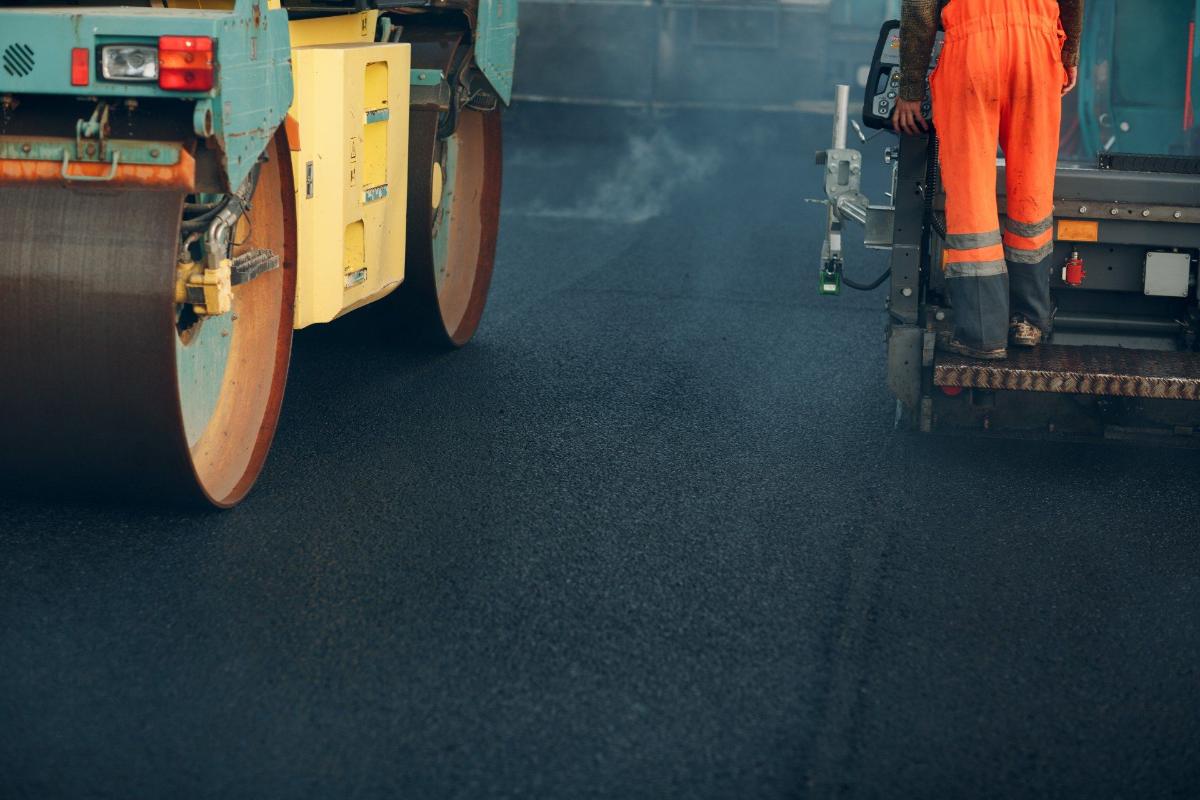
A new asphalt driveway or parking lot is a significant investment. Done right, it provides a smooth, durable surface that lasts for decades. Done poorly, it leads to premature cracking, drainage issues, and expensive repairs that can drain your budget and patience. The single most important factor determining the outcome is the contractor you choose.
In Utah’s variable climate—with its hot summers, freezing winters, and potential for heavy snow—the technical expertise required for proper asphalt installation is non-negotiable. Simply picking the lowest bidder is a common and costly mistake. The key to protecting your investment lies in the vetting process before you sign a contract.
This guide outlines the five critical questions you must ask any prospective paving company. These questions go beyond basic pricing to uncover their experience, methodology, and commitment to quality, ensuring you hire a partner who delivers lasting value.
- 1. What Is Your Specific Experience with Local Projects and Materials?
- 2. Can You Provide a Detailed, Line-Item Proposal and Contract?
- 3. What Is Your Process for Site Preparation and Drainage?
- 4. Do You Carry Proper Licensing, Insurance, and Bonding?
- 5. What Does Your Workmanship Warranty Cover and For How Long?
- Frequently Asked Questions
- Conclusion
1. What Is Your Specific Experience with Local Projects and Materials?
General paving experience is not enough. Asphalt performance is heavily influenced by local soil conditions, climate, and municipal specifications. A contractor familiar with Utah’s unique environment will make crucial adjustments a newcomer might miss.
Inquire About Recent Local Projects
Ask for addresses of recent projects completed within the last 12-24 months within a 50-mile radius. Drive by these sites if possible. Look for signs of even pavement, proper water runoff, and seamless integration with curbs or landscaping. A reputable company will have a portfolio of local work and proud references.
Discuss Aggregate and Asphalt Mix
The composition of the asphalt mix matters. Ask if they use locally sourced aggregates and an asphalt mix formula suitable for Utah’s freeze-thaw cycles. Experienced Utah asphalt paving contractors understand the importance of a stable base layer (often using specific local crusher fines) and an asphalt mix with the right binder grade to resist thermal cracking. Their ability to explain these details confidently is a strong indicator of technical proficiency.
2. Can You Provide a Detailed, Line-Item Proposal and Contract?
A vague, one-page quote is a major red flag. A professional proposal functions as the blueprint for your project and protects both parties. It should leave no room for assumptions about scope, materials, or costs.
Essential Elements of a Proper Proposal
Your written proposal should clearly specify:
● Site Preparation: Details on excavation depth, soil compaction testing, and base material type and thickness.
● Materials: The grade and depth of asphalt to be installed (e.g., 3″ base course, 1.5″ surface course).
● Scope of Work: Exact dimensions (length, width, depth), square footage, and a diagram if the area is complex.
● Timeline: A realistic start and completion date, accounting for weather.
● Payment Schedule: A clear breakdown, typically with a deposit to schedule and the balance upon satisfactory completion. Avoid contractors who demand full payment upfront.
● Warranty Terms: The exact duration and coverage of the workmanship warranty, in writing.
This document becomes the foundation of your binding contract. Never proceed without it.
3. What Is Your Process for Site Preparation and Drainage?
The longevity of an asphalt surface is 80% dependent on what lies beneath it. Inadequate site prep is the leading cause of pavement failure. A contractor who rushes this phase is setting your project up for future subsidence and cracking.
Evaluating Their Prep Protocol
A thorough answer should include:
1. Full Excavation: Removing all unstable organic soil and debris to a specified depth.
2. Subgrade Compaction: Mechanically compacting the native soil to achieve a stable, uniform platform.
3. Base Installation: Placing and compacting a layered aggregate base (often road base or class 5 aggregate) to a precise thickness to support load and facilitate drainage.
4. Drainage Planning: Explaining how the final pavement will be sloped or crowned to direct water away from structures and toward appropriate runoff areas. Proper drainage prevents water from undermining the base, which is critical during Utah’s spring runoff.
4. Do You Carry Proper Licensing, Insurance, and Bonding?
This is a non-negotiable area of due diligence. Hiring an uninsured or unlicensed contractor exposes you to immense financial and legal risk.
Verifying Their Credentials
● Licensing: Verify they hold a current Utah contractor’s license. You can check this online through the Utah Division of Occupational and Professional Licensing (DOPL).
● Insurance: Request a Certificate of Insurance (COI) from their provider. It must show current general liability and workers’ compensation coverage. General liability protects your property if they cause damage; workers’ comp protects you from being liable if a worker is injured on your job site.
● Bonding: While not always required, a surety bond provides an extra layer of financial protection if the contractor fails to complete the job or pay for materials or subcontractors.
A professional company will have these documents readily available and understand why you are asking.
5. What Does Your Workmanship Warranty Cover and For How Long?
A warranty is a contractor’s promise to stand behind their work. The details separate a meaningful guarantee from empty marketing.
Understanding Warranty Limitations
Be wary of lifetime or decades-long warranties; these often have so many exclusions they are virtually meaningless. Look for a clear, written warranty covering workmanship defects for a defined period, typically 1-3 years for residential work. Ask specifically what is covered (e.g., premature cracking due to installation error, raveling) and what is not (e.g., damage from vehicle fluids, extreme ground settlement unrelated to the base work, or normal wear and tear).
The best Utah asphalt paving contractors offer a straightforward warranty because they trust the quality of their installation process. They should also explain proper asphalt maintenance—like sealcoating every 2-3 years—to extend the life of the pavement beyond the warranty period.
Frequently Asked Questions
How much should a new asphalt driveway cost in Utah?
Costs vary based on site conditions, size, and material prices, but as a general range, expect to pay between $3.50 to $6.50 per square foot for a full-depth installation with proper base work. Be skeptical of quotes significantly lower than this range, as they often indicate subpar materials, insufficient base preparation, or an inexperienced crew.
How long does the asphalt installation process take?
For a standard residential driveway, the actual paving and compaction typically takes one to two days. However, the entire process—including site preparation, base installation, and curing—can span 3-5 working days, depending on weather and project complexity. Proper curing (allowing the asphalt to harden) is crucial before driving on it.
When is the best time of year to pave asphalt in Utah?
The ideal paving window is during warm, dry weather, typically from late spring through early fall. Asphalt needs to be laid and compacted at a high temperature to ensure proper density and longevity. Most reputable contractors will not install asphalt when ground temperatures are near or below freezing or during prolonged rain.
Can asphalt be installed over an existing concrete driveway?
It is possible but often not recommended. Asphalt bonded directly to concrete can crack as the materials expand and contract at different rates. The proper method is to break and remove the concrete, then build a new aggregate base for the asphalt. A contractor recommending a direct overlay should justify why it’s suitable for your specific situation.
How soon after installation can I drive on my new asphalt?
You can typically drive on it lightly after 24-48 hours. However, avoid sharp turns (like pivoting your steering wheel while stationary) and heavy loads for at least 5-7 days, especially in hot weather. The asphalt continues to cure and harden for several months. Your contractor should provide specific guidance based on the mix used.
Conclusion
Hiring the right paving contractor requires moving beyond price comparisons to a deeper evaluation of their expertise and practices. By systematically asking these five critical questions, you shift the conversation from cost to value. You gain insight into their familiarity with local challenges, their commitment to foundational preparation, and their professionalism in documentation and customer protection.
This diligence ensures your investment results in a pavement surface that is not only visually appealing but structurally sound for years to come. The upfront time spent vetting Utah asphalt paving contractors pays permanent dividends in durability, functionality, and peace of mind, turning a significant project into a long-term asset for your property.