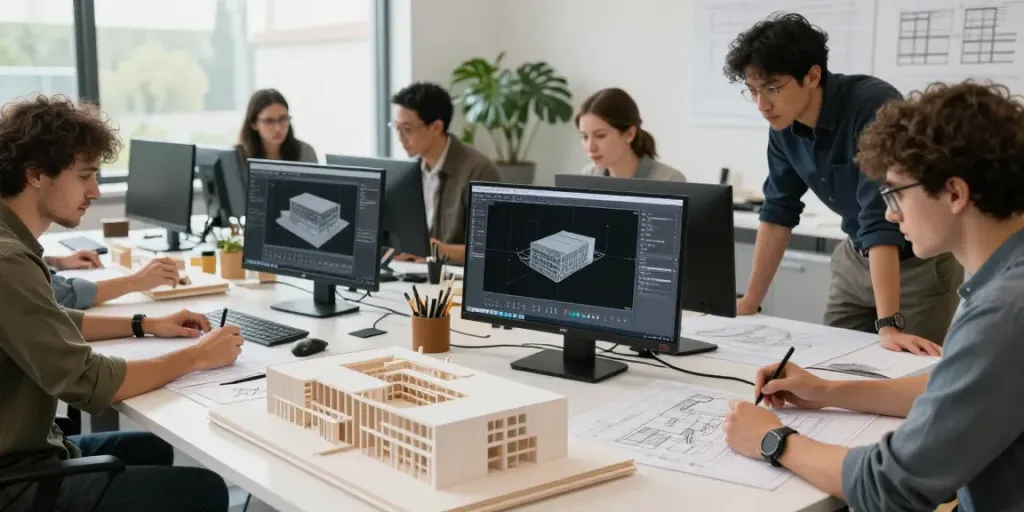
Understanding Architectural Model Making in France
In the vibrant world of architecture, especially within a country as historically rich and culturally significant as France, architectural model making plays an indispensable role. These detailed representations are not just artistic creations; they serve as vital communication tools that bridge the gap between conceptual ideas and tangible realities. From facilitating discussions among stakeholders to enabling clients to visualize projects accurately, the value of architectural models cannot be overstated. When exploring options, Architectural model maker France provides comprehensive insights into this essential industry.
Importance of Architectural Models in Urban Planning
Architectural models are essential components in urban planning, offering a three-dimensional perspective that sketches can't replicate. They help urban planners and architects visualize the scale, proportion, and details of a project, providing a clearer understanding of how it will integrate into the existing environment. Moreover, these models facilitate discussions and negotiations among stakeholders, allowing for early identification of potential issues that may arise during the construction phase. In France, where architectural innovation is highly valued, employing models in the planning process is crucial to ensuring both functionality and aesthetic appeal.
Key Types of Architectural Models Used
There is an impressive variety of architectural models used in the French industry to serve different purposes:
- Industrial Models: Detailed representations of industrial facilities that aid in planning and optimization.
- City Planning Models: Large-scale models that represent neighborhoods or urban landscapes.
- Environmental Models: These models provide contextual information about surroundings, emphasizing how new developments fit within their environments.
- Competition Models: High-precision models created for architectural contests that require meticulous detail.
- Exhibition Models: Designed to showcase projects at trade shows, these models often feature enhanced aesthetics to attract potential clients.
- Models for Real Estate Developers and Architects: These models are immersive tools for presenting finished projects to investors and buyers.
Overview of Architectural Model Maker Services
In France, numerous specialized companies offer architectural model-making services. These firms work closely with architects and designers to create models tailored to specific project requirements. Services include everything from initial consultations to the selection of appropriate materials and techniques, ensuring that clients receive high-quality and precise models within their desired timelines. Customization is a critical element of the service, as each project presents unique challenges that need bespoke solutions.
The Process of Creating Architectural Models
Materials and Techniques in Model Making
The choice of materials in architectural model making directly influences the model's quality and realism. Common materials include:
- Acrylic: Perfect for transparent or semi-transparent features.
- Wood: Often used to create structural elements, providing a natural aesthetic.
- Foam Board: Lightweight and easy to manipulate, ideal for large-scale models.
- 3D-Printed Components: Increasingly popular in modern models for intricate designs.
Manufacturers utilize various techniques, such as CNC milling and laser cutting, that enhance precision in the modeling process. These methods allow for the creation of complex geometries that are otherwise challenging to achieve manually.
Consultation and Planning for Tailored Solutions
Effective model making begins with thorough consultation and planning. Architects and model makers collaborate to establish the project's objectives, scale, and level of detail required. By understanding the vision and constraints, model makers can propose suitable materials and techniques, ensuring the finished model aligns with expectations and project goals. This tailored approach not only enhances the quality of the model but also strengthens the client-model maker relationship, fostering trust and collaboration.
Fast and Reliable Delivery Practices
Time sensitivity is often a significant factor in architectural model making. Many projects operate under tight deadlines, making it essential for model makers to have efficient workflow processes in place. This involves meticulous planning and coordination to ensure on-time delivery without compromising quality. Additionally, express delivery services can be arranged for urgent projects, exemplifying the model makers' commitment to client satisfaction.
Challenges in Architectural Model Making
Managing Model Complexity and Detail
Creating complex architectural models requires a sophisticated blend of artistic creativity and technical skill. The challenge lies in balancing intricate details with the need for clarity in representation. Skilled model makers often employ software and design tools to simulate designs digitally, allowing for adjustments before physical model creation. This iterative process not only reduces errors but also optimizes the use of time and materials.
Material Selection and Quality Control
Choosing the right materials is paramount to the success of any architectural model. Each material brings different characteristics—while some may provide durability, others may offer superior aesthetics. Quality control measures must be implemented to ensure that the chosen materials meet the standards required for the final model. Regular testing of materials, along with collaborating with suppliers who understand the unique needs of architectural model makers, ensures that only the best materials are used.
Time Pressure and Efficient Workflow Solutions
Time pressure can significantly impact the quality of architectural model making. Competing deadlines necessitate an efficient workflow that encompasses planning, production, and delivery. By leveraging modern technologies, such as 3D printing and digital design tools, model makers can expedite the process while maintaining exceptional quality. Regular communication with clients further ensures that expectations are managed and met throughout the project lifecycle.
Examples of Successful Architectural Projects
Innovative Industrial Models in France
France has seen remarkable projects that highlight the role of architectural models in industrial design. For example, the complex models created for the development of the new Airbus facilities in Toulouse showcased not only the buildings’ aesthetics but also their operational functionality. These models allowed stakeholders to visualize the interplay between different zones and workflows, proving invaluable during the planning phases.
City Planning Models and Their Impact
The revitalization of urban landscapes in cities like Lyon and Marseille has been driven by the use of city planning models. These models have allowed urban planners to analyze factors like traffic flow, population density, and environmental impact. By simulating various scenarios, planners can better understand their proposals' implications, ultimately leading to more sustainable urban design.
Showcasing Competition and Exhibition Models
Competition models, such as those created for the Renovation of the Notre-Dame Cathedral, stand testament to the intricate detail and craftsmanship required in high-stakes architectural competitions. These models must not only be visually captivating but also convey precise structural and historical elements integral to the project. Exhibition models for renowned firms at international architectural expos have also played a pivotal role in securing contracts and showcasing capabilities to a global audience.
The Future of Architectural Model Making in France
Emerging Technologies: VR and AR Integration
The landscape of architectural model making is evolving with the integration of Virtual Reality (VR) and Augmented Reality (AR). These technologies enable clients and stakeholders to interact with models in immersive environments, allowing for deeper engagement and understanding of the designs. As these technologies continue to develop, they offer exciting prospects for enhancing communication and collaboration in the architectural process.
Sustainability Trends in Model Making
As sustainability becomes a priority in architecture and construction, the model-making industry is adapting to include eco-friendly practices. Using materials that are recyclable or sourced sustainably reflects a growing commitment to environmental responsibility. Innovations in manufacturing processes also contribute to reducing waste and energy consumption, aligning with broader industry trends toward sustainability.
The Growing Demand for Custom Solutions
As architectural projects become increasingly unique, the demand for customized models tailored to specific specifications is on the rise. Clients are looking for models that reflect their distinctive visions, necessitating architectural model makers to enhance their collaborative capabilities. Close partnerships with architects will drive innovation in this space, allowing for the creation of bespoke models that resonate with individual project goals.
What are the main benefits of architectural models?
The primary benefits include enhanced visualization of projects, clearer communication among stakeholders, and the ability to identify potential issues early in the design process.
How do architectural models help in urban planning?
Architectural models provide a tangible representation of design proposals, allowing urban planners to assess zoning, infrastructure, and environmental impacts more effectively.
What materials are commonly used in architectural model making?
Common materials include acrylic, wood, foam board, and various 3D printing materials, chosen based on the requirements of the model.
How do architectural model makers ensure quality?
Quality control measures, including regular material testing and adherence to production standards, are crucial to maintaining high-quality models.
What role does technology play in architectural model making?
Technology plays a pivotal role through the use of software for design simulations and manufacturing techniques like CNC milling and 3D printing, enhancing precision and efficiency.