
As the construction industry continues to evolve, builders and developers are constantly searching for methods that improve project efficiency while maintaining high standards of quality and durability. Modern construction projects require solutions that can reduce construction timelines, optimize resource utilization, and support long-term structural performance. As a result, lightweight steel framing has become an increasingly popular choice across residential, commercial, and industrial sectors.
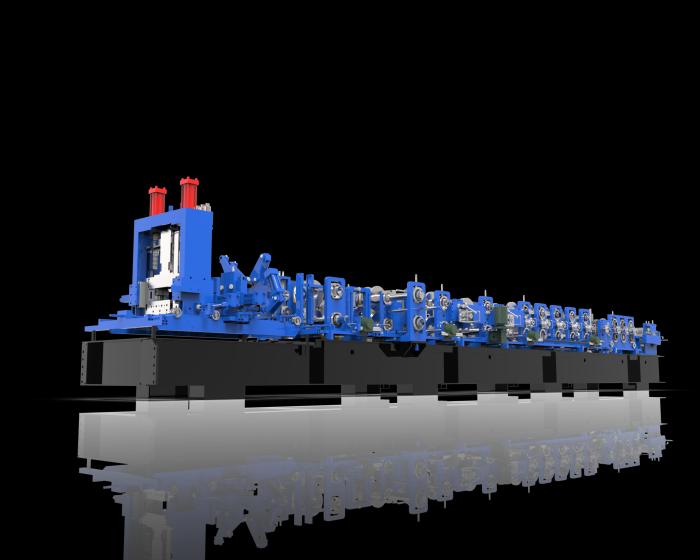
Lightweight steel framing offers a combination of strength, flexibility, and efficiency that makes it well-suited for modern building requirements. Manufactured using advanced equipment such as a cold formed steel machine and curving machine, these framing systems provide reliable structural support while helping construction teams complete projects more efficiently.
The Growing Popularity of Lightweight Steel Framing
Construction companies face increasing pressure to deliver projects on time and within budget. Traditional building methods can sometimes involve longer construction periods, greater material handling challenges, and higher labor requirements.
Lightweight steel framing addresses many of these concerns by providing accurately manufactured components that are easy to transport, handle, and install. The precision of steel framing systems helps streamline construction activities while maintaining excellent structural performance.
As demand for efficient and sustainable building methods grows, lightweight steel framing continues to gain popularity worldwide.
Benefits of Lightweight Steel Framing for Construction Efficiency
Faster Installation
Lightweight steel components are manufactured to precise dimensions before arriving at the construction site. This allows builders to assemble structures more quickly and efficiently.
Reduced installation time helps accelerate project completion and improve overall productivity.
Lower Labor Requirements
Because lightweight steel framing is easier to handle and install, construction teams can complete tasks with greater efficiency. The need for extensive on-site modifications is also minimized.
Lower labor requirements can help reduce project costs while improving workflow management.
Improved Structural Accuracy
Precision-manufactured steel framing components fit together consistently, reducing alignment issues during construction. Accurate framing systems help ensure smooth assembly and better overall building quality.
This contributes to improved project outcomes and reduced rework.
Reduced Material Waste
Lightweight steel framing systems are produced with high levels of manufacturing accuracy. This helps minimize waste during both production and installation.
Efficient material usage supports cost savings and sustainable construction practices.
Enhanced Project Planning
Because steel framing components are manufactured under controlled conditions, project managers can better predict delivery schedules and installation timelines.
Improved planning helps reduce delays and supports more efficient construction operations.
Applications of Lightweight Steel Framing
Lightweight steel framing is widely used in:
- Residential housing developments
- Commercial buildings
- Industrial facilities
- Educational institutions
- Healthcare buildings
- Modular construction projects
- Warehouses and storage facilities
- Multi-story structures
These applications benefit from the speed, precision, and reliability that lightweight steel framing provides.
Choosing the Right Manufacturing Equipment
The quality and efficiency of lightweight steel framing systems depend heavily on the equipment used during production. Manufacturers should evaluate factors such as machine accuracy, automation capabilities, production efficiency, flexibility, and long-term reliability.
Businesses investing in a cold formed steel machine should ensure it can consistently produce high-quality framing profiles for modern construction applications. Likewise, a curving machine can provide additional versatility by creating curved steel components for specialized architectural and structural designs.
Selecting advanced manufacturing equipment helps ensure consistent product quality while supporting efficient construction practices.
Conclusion
Lightweight steel framing is transforming modern construction by improving efficiency, reducing labor requirements, minimizing waste, and supporting faster project completion. Its combination of strength, precision, and ease of installation makes it an ideal solution for a wide range of building applications.
Whether manufactured using a cold formed steel machine for structural framing profiles or a curving machine for specialized steel components, lightweight steel framing systems provide significant advantages for today's construction industry. As builders continue to seek more efficient and sustainable building methods, lightweight steel framing will remain an important contributor to future construction success.