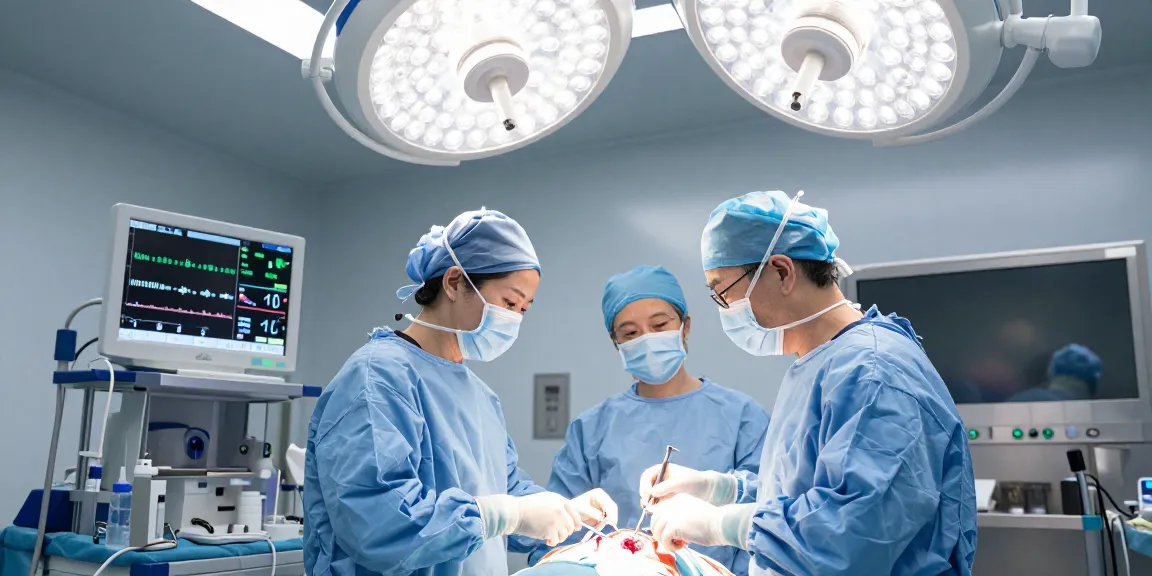
Understanding Beyin Ameliyatı
Beyin ameliyatı, a critical surgical intervention that addresses serious neurological conditions such as brain tumors, brain hemorrhages, and other life-threatening disorders, is transforming the landscape of modern medicine. As medical technology advances, the methods used in surgeries have become more refined, leading to higher success rates and improved patient outcomes. It is crucial for patients and their families to understand the complexities of beyin ameliyatı, including the various techniques, recovery processes, and potential risks involved. When exploring options, Beyin ameliyatı provides comprehensive insights into what one can expect from the procedure and recovery phases.
What is Beyin Ameliyatı?
Beyin ameliyatı refers to surgical procedures performed on the brain to treat various medical conditions. These can include the removal of tumors, repair of damaged blood vessels, or relief of pressure due to swelling or bleeding. Each procedure is tailored to the specific needs of the patient, considering factors such as the type and location of the problem, as well as the overall health of the patient.
Common Conditions Requiring Surgery
Several neurological conditions may necessitate beyin ameliyatı, including:
- Brain Tumors: Both benign and malignant tumors can require surgical intervention to remove the tumor mass and reduce pressure on surrounding brain tissue.
- Brain Hemorrhages: Conditions such as subdural hematomas, epidural hematomas, and subarachnoid hemorrhages often require immediate surgical attention to alleviate pressure and prevent further brain injury.
- Aneurysms: Surgical options are crucial for ruptured or at-risk aneurysms, which can cause life-threatening bleeding in the brain.
- Epilepsy: In some cases, surgery may be considered for patients whose seizures are not controlled by medication.
Importance of Specialized Care
The field of neurosurgery is highly specialized, requiring trained professionals with expertise in complex brain procedures. Selecting a neurosurgeon with relevant experience can greatly influence outcomes. Using state-of-the-art technology and techniques, such as neuro-navigation and intraoperative imaging, can enhance the precision and safety of the surgical procedures.
Types of Beyin Ameliyatı Techniques
There are various techniques employed in beyin ameliyatı, each selected based on the specific condition being treated, the location of the pathology, and the patient's individual health status.
Open Surgery Techniques
Traditional open surgery, or craniotomy, involves the creation of an opening in the skull to access the brain directly. This method is commonly used for larger tumors or complex brain issues where extensive access is required. Surgeons remove a section of the skull, perform the necessary procedure, and then replace the skull piece at the end of the surgery.
Minimally Invasive Approaches
Advancements in technology have introduced minimally invasive techniques such as endoscopic surgery. These procedures utilize small incisions and specialized instruments, offering benefits such as shorter recovery times and less postoperative pain. Endoscopic techniques are often applied in cases involving pituitary tumors or accessing deep-seated brain lesions.
Awake Craniotomy Advantages
Awake craniotomy is a cutting-edge procedure used primarily for tumors located in areas of the brain responsible for crucial functions such as speech and motor skills. By keeping the patient awake during certain portions of the operation, surgeons can monitor and preserve vital functions while removing the tumor. This technique minimizes the risk of neurological damage, providing a more functional recovery.
Pre-Operative Considerations
Before undergoing beyin ameliyatı, several essential factors need to be considered to prepare adequately for the procedure.
Patient Assessment and Preparation
A comprehensive evaluation of the patient's medical history, neurological status, and imaging studies is essential in formulating a surgical plan. Patients may undergo various tests to ensure they are in optimal condition for surgery.
Understanding the Risks
All surgical procedures carry inherent risks, including infection, bleeding, and anesthetic complications. Specific risks associated with beyin ameliyatı may involve neurological deficits like weakness, speech problems, and seizures. Engaging in thorough discussions with the surgical team can help patients to understand their individual risks and benefits.
Setting Realistic Expectations
It is vital for patients and their families to have realistic expectations regarding the outcomes of brain surgery. While many patients achieve significant improvements, others may face challenges in recovery. Setting these expectations can pave the way for a smoother recovery process.
Post-Operative Recovery Process
The recovery process following beyin ameliyatı can vary significantly depending on the procedure performed and the individual patient's circumstances.
Initial Recovery in ICU
After surgery, patients are typically monitored in the intensive care unit (ICU) for several hours to ensure stability. This period is crucial for detecting any immediate complications and initiating treatment if necessary.
Long-Term Recovery and Rehabilitation
Once stabilized, patients are moved to a regular hospital room for further recovery. Depending on the type of surgery, rehabilitation services such as physical therapy, occupational therapy, and speech therapy may be initiated to help regain lost functions.
Managing Common Side Effects
Post-operative symptoms can include headache, fatigue, and cognitive changes such as memory deficits. Regular follow-ups with healthcare providers can help manage these side effects effectively.
Cost and Insurance Considerations
The costs associated with beyin ameliyatı can vary widely based on multiple factors, including the surgery type, hospital location, and insurance coverage.
Factors Influencing Beyin Ameliyatı Costs
Key factors that can influence the overall cost of brain surgery include:
- Hospital Type: Costs may differ between private and public healthcare facilities.
- Procedure Type: Complex surgeries often incur higher costs.
- Length of Stay: Patients requiring extensive recovery time may face higher hospital bills.
Insurance Coverage Options
Insurance coverage can significantly offset the costs of beyin ameliyatı. It is essential for patients to contact their insurance providers to understand the extent of their coverage, including any out-of-pocket expenses they may incur.
Financial Planning for Surgery
Planning for the financial aspects of surgery is crucial. Patients should seek detailed estimates from their healthcare providers, including any expected co-pays or deductibles, to prepare adequately.
What are the signs you need a beyin ameliyatı?
Indicators that someone may require beyin ameliyatı include persistent headaches, neurological deficits such as weakness or numbness, seizures, and unexplained changes in vision or cognition. Prompt evaluation by a medical professional is vital for timely intervention.
How long does recovery from beyin ameliyatı take?
The recovery period from beyin ameliyatı varies widely based on the individual and procedure. Generally, initial recovery can take a few weeks, while full recovery may extend up to six months or more, depending on the complexity of the surgery.
What risks are associated with beyin ameliyatı?
As with all surgeries, beyin ameliyatı carries risks, including infection, stroke, and neurological complications. It is essential for patients to discuss these risks with their healthcare team to make informed choices.
Are there alternatives to beyin ameliyatı?
Alternatives to surgical intervention can include medication management, radiation therapy, or stereotactic radiosurgery in select cases. Discussing possible options with a healthcare provider is essential to determine the best course of action.
What advancements in beyin ameliyatı techniques exist?
Recent advancements in surgical techniques, including minimally invasive approaches and enhanced imaging technologies, have improved patient outcomes. For more information, Beyin ameliyatı offers valuable insights. Innovations such as robotic-assisted surgery and intraoperative MRI are becoming more common, allowing for more precise interventions.